

Welcome to Korea! If you’re reading this, you’re likely starting one of the most exciting—and challenging—parts of your new life in Korea: finding a place to live. Navigating the Seoul housing market can feel overwhelming, especially with the language barrier and unique rental systems like Jeonse and Wolse.
But don’t worry. Thanks to technology, the process is much easier than it used to be. In this 2026 guide, we’ll introduce you to the top 5 real estate apps that locals use every day. We’ll break down each app’s pros and cons for foreigners, show you what key terms to look for, and give you practical tips to avoid fake listings and find your perfect home in Seoul.

Before You Start: Key Korean Housing Terms
Before diving into the apps, let’s quickly learn the essential vocabulary. Understanding these terms is crucial.
•월세 (Wolse): This is the most common rental type for foreigners. You pay a security deposit (보증금 / Bojeung-geum) and then a fixed monthly rent. The higher the deposit, the lower the monthly rent.
•전세 (Jeonse): This is a unique Korean system where you give the landlord a very large lump-sum deposit (often 70-80% of the property’s value) and pay no monthly rent. You get the entire deposit back when you move out. This is less common for newcomers.
•관리비 (Gwan-li-bi): This is a monthly maintenance fee for the building, separate from your rent. It covers cleaning, elevator maintenance, security, etc. Always check if utilities like internet, water, or gas are included.
•원룸 (One-room): A studio apartment. A single room for living, cooking, and sleeping.
•오피스텔 (Officetel): A multi-purpose building, often a modern studio apartment that can also be used as an office. They usually have better security and are located near subway stations, but the maintenance fees can be higher.
Top 3 Real Estate Apps for Seoul
Here are the apps you need to download right now. All are available on both iOS and Android.1. 직방 (Zigbang)Zigbang is the undisputed leader in the Korean real estate app market. It has the largest number of listings and a user-friendly interface.
•Pros:
•Huge Inventory: The most listings for one-rooms, officetels, and small apartments.
•3D Tours & VR: Many listings offer “VR 홈투어” (VR Home Tours), allowing you to virtually walk through the apartment, which saves a lot of time.
•Detailed Info: Provides detailed information on building age, number of parking spots, and nearby amenities.
•Cons:
•Korean Language Only: The app is entirely in Korean. You’ll need to use a screen translation app (like Google Lens) or learn some basic keywords.
•Fake Listings (허위매물): While improving, it can still have “bait” listings that are suspiciously cheap or perfect. A good rule of thumb: if it looks too good to be true, it probably is.
•Best for: Anyone serious about finding a wide range of options and willing to navigate the language barrier.
2. 다방 (Dabang)
Dabang is Zigbang’s biggest competitor and is very similar in function. Some people prefer its layout and search filters. It’s always a good idea to check both.

•Pros:
•User-Friendly Map: The map-based search is intuitive, making it easy to find places near your school or office.
•Verified Listings: Dabang has a “확인매물” (Verified Listing) badge, which means the realtor has confirmed the listing is real. Look for this mark.
•Integrated Services: Offers services like moving company estimates and cleaning services directly through the app.
Cons:
•Korean Language Only: Same as Zigbang, it requires Korean language skills or a translation tool.
•Slightly Fewer Listings: While still massive, its inventory can sometimes be slightly smaller than Zigbang’s, depending on the neighborhood.
•Best for: Visually-oriented searchers who prefer using a map and want to see verified listings.
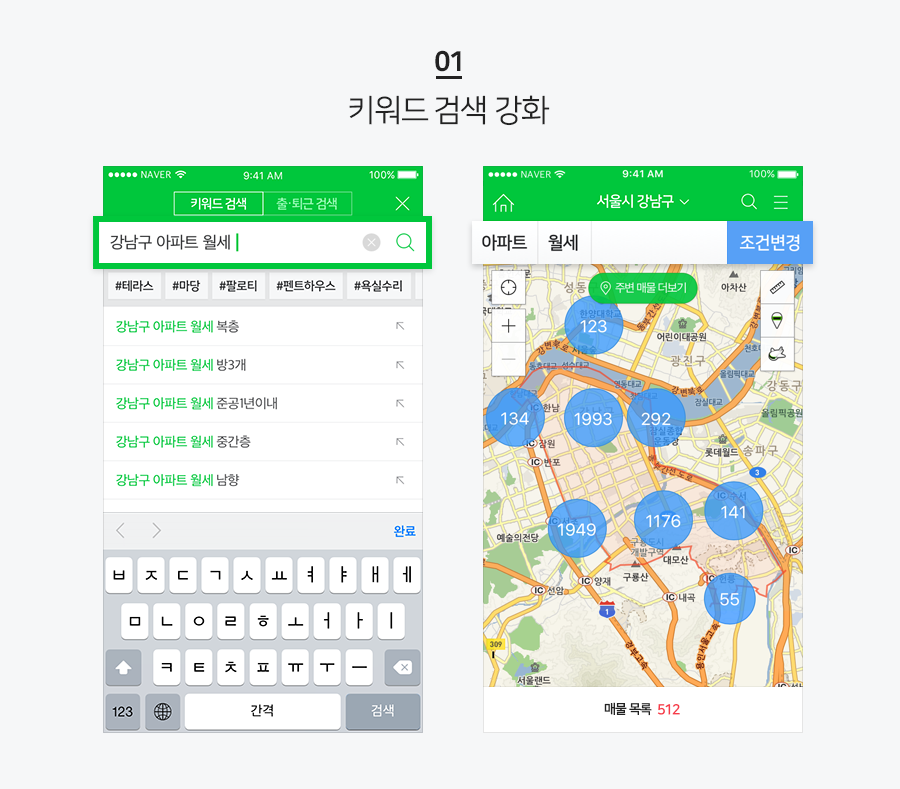
3. 네이버 부동산 (Naver Real Estate)This is not a standalone app but a service within the Naver portal, Korea’s number one search engine. It’s the most powerful and trusted platform, especially for larger apartments, villas, and Jeonse contracts.
•Pros:
•Highest Trust Factor: Listings are generally more reliable and updated frequently. It’s considered the industry standard.
•Comprehensive Data: Provides the most in-depth data, including official property prices (실거래가), market trends, and school district information.
•Great for Jeonse/Sales: If you are looking for a larger apartment or a Jeonse deal, this is the best place to start.
•Cons:
•Complex Interface: The amount of information can be overwhelming for a first-timer.
•Fewer “One-Room” Options: While it has studios, its strength lies in larger family-sized homes.
•Best for: Those looking for larger apartments, Jeonse, or who want to do in-depth research on a property’s value and history.
Conclusion: Your Action Plan
Finding a home in Seoul is a marathon, not a sprint. Here’s your game plan:
1.Browse: Start by browsing Zigbang and Dabang to get a feel for the market prices in your desired neighborhood.
2.Cross-Reference: If you find a place you like, search for it on Naver Real Estate to check its official price history and details.
3.Check Community: Keep an eye on Facebook Groups and Peterpan for direct deals or lease takeovers.
4.Visit in Person: Never sign a contract without visiting the property. Schedule at least 3-4 viewings in one day to compare.
5.Get Help: If you’re not confident with the Korean contract, don’t hesitate to use a realtor or ask a Korean-speaking friend for help. It’s worth the peace of mind.
Good luck with your search! Finding the right place is the first step to truly enjoying your life in this amazing city. Do you have any experience with these apps? Share your tips in the comments below